
Pottery Classes: From Wheel Throwing to Hand-Building
Explore different pottery methods used in Turkish workshops. Learn the difference between wheel throwing and hand-building, what clay works best, and which technique suits your goals.
Two Paths Into Clay
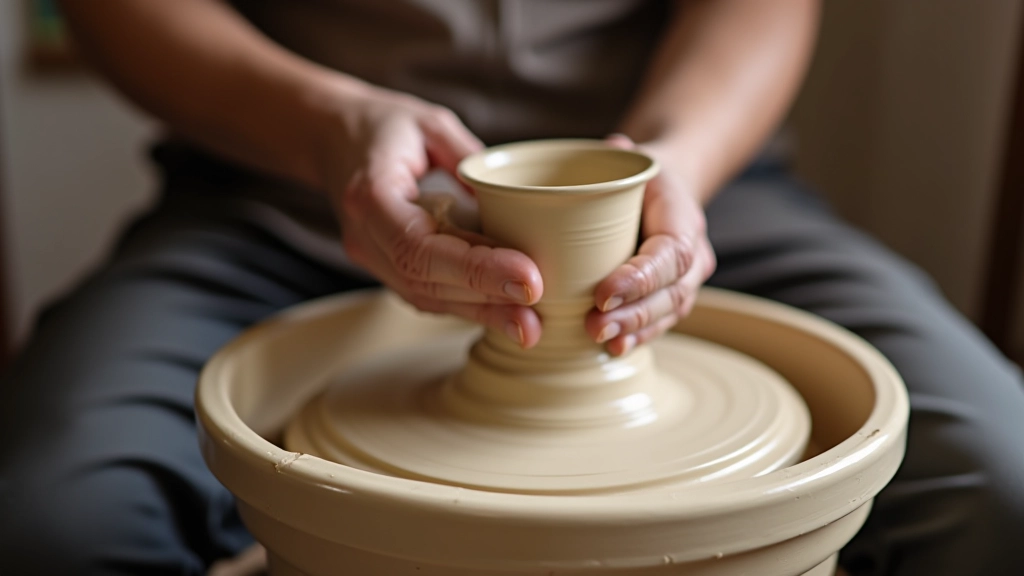
When you walk into a pottery workshop in Istanbul or Ankara, you'll notice something right away. Some people are bent over tables, hands moving slowly through clay. Others stand at wheels, focused intently as clay spins beneath their fingers. These aren't different hobbies — they're two distinct approaches to the same material.
The choice between wheel throwing and hand-building isn't about one being "better." It's about understanding what each technique offers, what skills you'll develop, and honestly, which one feels right for you. We've spent time in Turkish pottery centers watching beginners discover which method clicks for them.
01
Wheel Throwing: The Spinning Dance
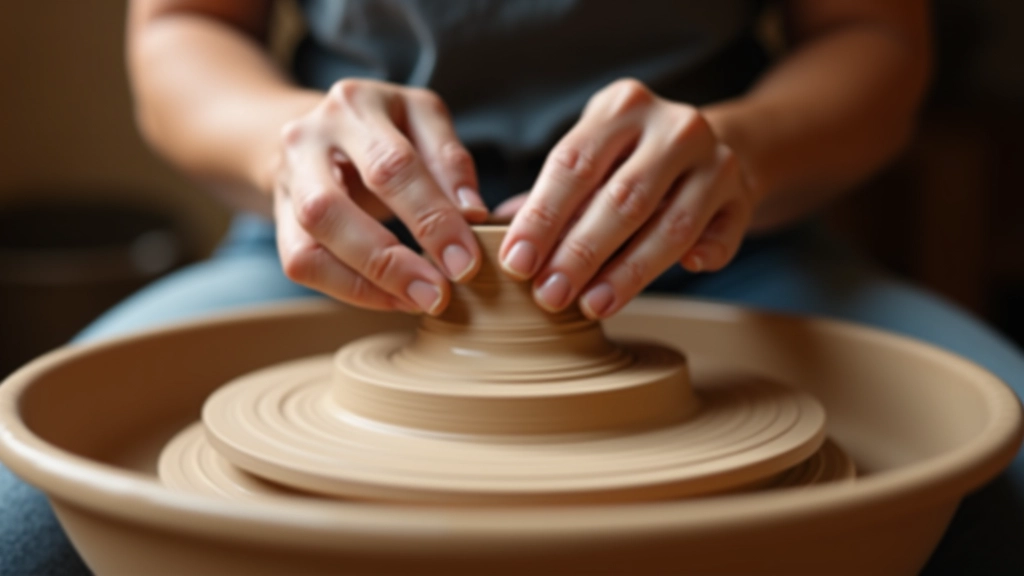
Wheel throwing looks mesmerizing. You're centering clay on a spinning wheel, then pulling it upward into a cylinder or bowl shape. It's meditative and rhythmic, but don't mistake that for easy. The first time you try centering clay, you'll understand why instructors say it takes 100+ attempts to really get it.
The appeal? You can produce symmetrical, functional pieces — plates, bowls, cups — relatively quickly once you have the basics. Most Turkish workshops teach wheel throwing in blocks of 8-12 sessions before moving to more complex forms. After four weeks of consistent practice, you're making usable bowls.
What you'll need: Access to a wheel (studios provide these), clay suited for wheel work (earthenware or stoneware, nothing too gritty), water, and patience. Turkish potters often recommend starting with earthenware — it's forgiving and responds well to beginner hands.
02
Hand-Building: Pure Imagination
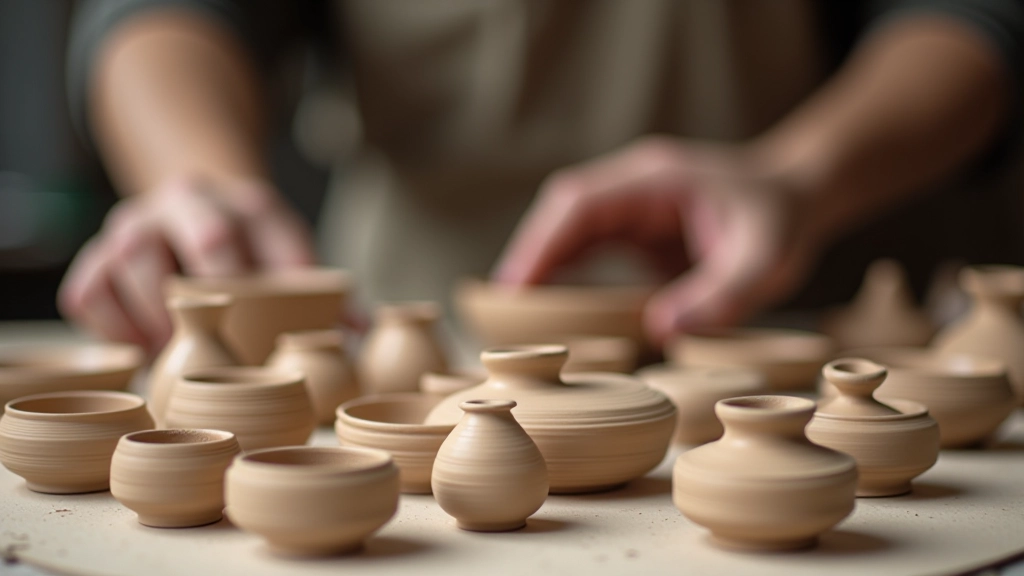
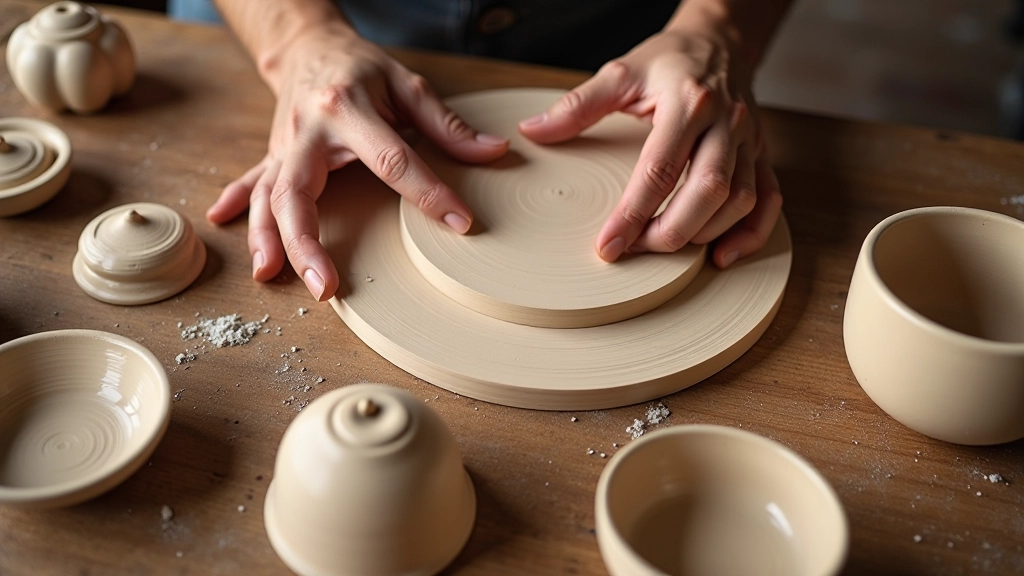
Hand-building removes the wheel entirely. You're using your hands, basic tools, and clay to create whatever shape you envision. Pinch pots, coil bowls, slab vessels — these techniques aren't constrained by symmetry or the limitations of the wheel.
Here's what draws people in: You can start making finished pieces on day one. Seriously. A pinch pot takes 15 minutes and produces something you'll actually use. There's no "learning curve" before you feel productive. Turkish craft centers often see beginners who've never touched clay create interesting forms in their first session.
The techniques are straightforward. Pinching: push a thumb into a ball of clay and turn it, thinning walls as you go. Coiling: roll clay into long snakes, stack them, then smooth or blend them together. Slab work: roll clay flat, cut shapes, then join them with slip (liquid clay acting as glue). Each method has room for exploration and personal style.
How They Stack Up
Learning Curve
Wheel Throwing
Steep at first. Centering clay takes weeks. But once it clicks, progress accelerates.
Hand-Building
Shallow. You're making finished pieces immediately. Refinement comes over time.
Shapes You Can Make
Wheel Throwing
Round forms: cylinders, bowls, plates. Modifications possible but limited by the wheel's nature.
Hand-Building
Anything. Organic, irregular, sculptural — your imagination's the only limit.
Time Investment
Wheel Throwing
Setup and cleanup take time. Each session 90-120 minutes to accomplish much.
Hand-Building
Flexible. Work 20 minutes or 3 hours. No waiting for the wheel or dealing with centering.
Best For
Wheel Throwing
Making functional dinnerware, building discipline, meditative practice, creating multiple identical pieces.
Hand-Building
Artistic expression, sculptural work, learning technique quickly, one-off unique pieces.
Choosing Your Clay
Clay choice matters more than beginners think. Different clays behave differently on the wheel and in your hands. Turkish potters often work with local clay sourced from specific regions, each with distinct qualities.
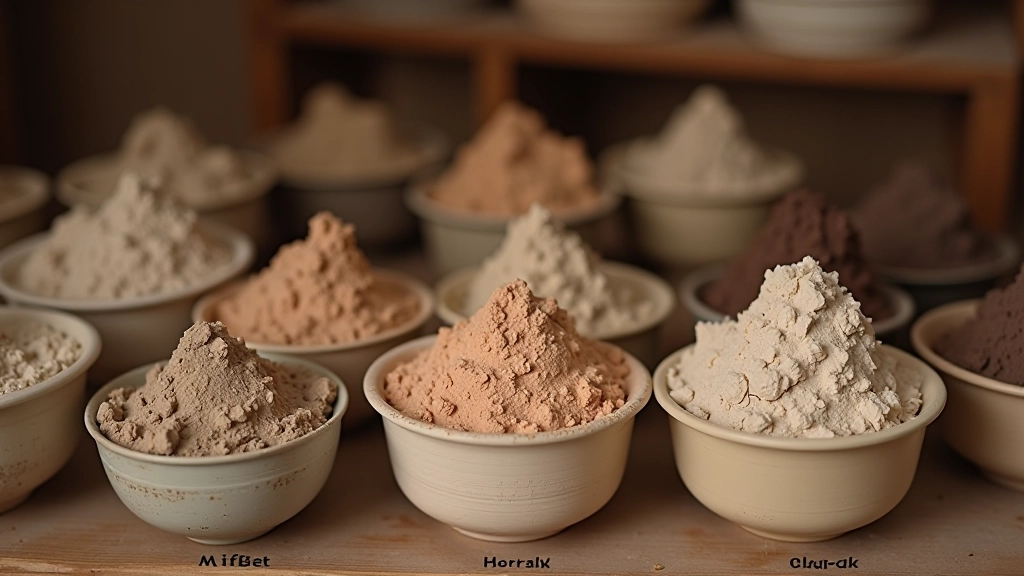
Earthenware: Red or terracotta clay. Fires at lower temperatures (around 1060°C). It's plastic and forgiving — ideal for wheel throwing beginners. Hand-builders also love it because it's responsive and easy to join.
Stoneware: Buff or gray clay. Fires higher (1200-1300°C). Stronger, more durable, and professional potters prefer it. On the wheel, it requires slightly better technique. For hand-building, it's equally viable but demands more care when joining pieces.
Porcelain: The challenging option. Beautiful results but less forgiving. Most beginners wait 6-12 months before attempting porcelain. Don't start here.
Most Turkish workshops provide clay, so you won't choose initially. But knowing these differences helps you understand what you're working with and why your piece behaves a certain way.
Educational Note
This article provides informational guidance about pottery techniques and approaches. Individual results vary based on personal practice, access to instruction, and practice frequency. For formal pottery training, consult with certified instructors at established workshops. Turkish pottery centers offer professional instruction tailored to your specific needs and skill level.
Which Path Calls to You?
Here's the honest truth: You don't need to choose forever. Many potters eventually work in both methods. Someone might spend months on the wheel, then switch to hand-building to explore sculptural ideas. It's not either/or.
If you're starting out, think about what appeals to you. Want immediate results and creative freedom? Hand-building's your answer. Drawn to rhythm, meditation, and making functional dinnerware? The wheel might be it. Either way, Turkish pottery workshops offer structured classes in both techniques. Most start you with fundamentals, then let you focus on what engages you.
The real secret? There isn't one. Both methods require showing up consistently, staying patient through early frustrations, and letting your hands learn through repetition. That's where the actual growth happens — not in choosing the "right" technique, but in committing to practice.

Continue Your Journey